Skip to content

Blog

The Blueprint of Resilience: Leading with Biblical Purpose in a Changing World

By Dr. Curtis Carethers
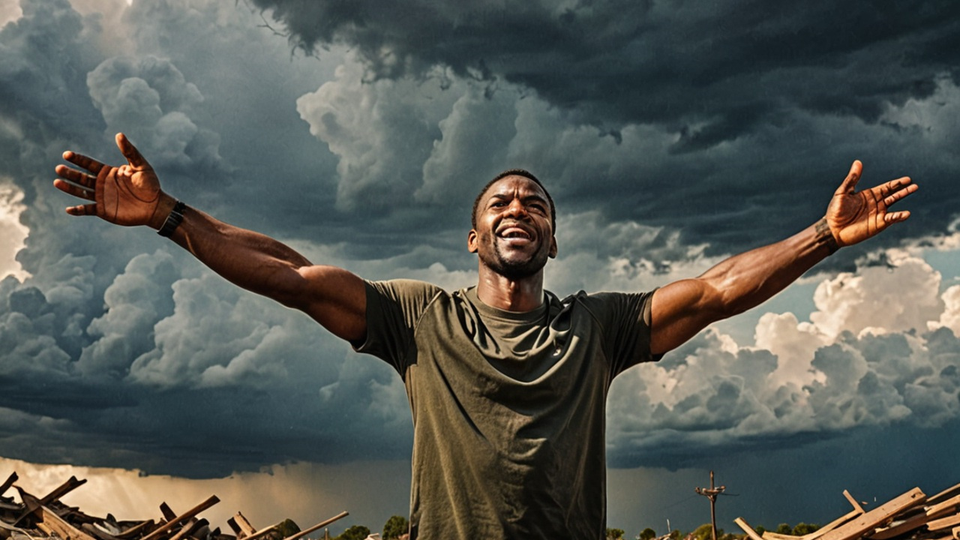
A man in a triumphant stance with a retreating storm and debris in the background.
12/5/2025

In today's volatile business and social landscape, the term resilience is often reduced to mere psychological grit—a capacity to "bounce back." While mental fortitude is essential, for those committed to leading with lasting impact, true resilience must be rooted in something far more durable than self-will. It must be anchored in purpose derived from timeless biblical principles.

As a strategic consultant and motivational speaker, I have observed that the leaders who not only survive but thrive during periods of crisis are those who operate from a foundational blueprint. This blueprint is not a business plan; it is a spiritual conviction that informs every strategic decision and professional setback.


The Strategic Advantage of Spiritual Endurance

The world offers quick-fix motivational tactics, but the Bible teaches the profound, enduring nature of patience and perseverance. The Apostle Paul articulated this principle of spiritual development, noting that tribulation produces perseverance; perseverance, character; and character, hope (Romans 5:3–4).

In the context of professional leadership, this is not just theological insight—it is a clear strategic advantage:

 
  • Perseverance as Strategy: A leader guided by biblical purpose views challenges not as roadblocks, but as the very process required to forge essential character. This mindset allows for clear-eyed, long-term strategic planning, resisting the temptation of short-term compromises driven by panic or temporary difficulty.
  • Character as Capital: When integrity and truth define your internal culture (character), it becomes your most valuable non-monetary asset (capital). This builds trust with stakeholders, fosters loyalty in teams, and provides the unshakeable foundation necessary when external markets shift dramatically.
  • Hope as Innovation: Biblical hope is not wishful thinking; it is a confident expectation based on known truth. This confidence breeds the risk-taking and conviction required for true innovation. Leaders with this anchor are not reactive; they are proactive pioneers, shaping the future rather than being subjected to it.
 

Building Your Purpose-Driven Foundation

To implement this blueprint of resilience, leaders must move beyond abstract faith and apply scriptural principles with precision:
  • Define Your Non-Negotiables: Identify the foundational values—derived directly from scripture—that will govern your decisions regarding ethical practices, team relationships, and business goals. These become the "bedrock" that prevents drift during organizational storms.
  • Embrace the Process: Understand that professional growth, like spiritual growth, is iterative. Failure is not a final state but an integral data point in the process of refinement. Analyzing failure through the lens of purpose allows you to extract the lesson and reinvest that wisdom into future strategy.
  • Lead by Discipleship: The greatest leaders are those who invest in others, fostering their growth and equipping them for success. This mirrors the biblical model of discipleship. By developing strong, resilient people around you, you build an organization that is collectively equipped to handle any challenge.

True leadership requires more than talent; it demands an unwavering foundation. By intentionally integrating spiritual endurance into your leadership strategy, you are not just building resilience—you are securing a foundation that empowers you to lead with clarity, confidence, and character, regardless of the instability surrounding you.

If you are serious about transforming your personal and professional leadership journey, I encourage you to explore the principles of purpose, resilience, and growth detailed in my latest book, which is available now.

Making Disciples of All Men

The Ultimate Cost of Commitment: How the Apostles Finished Their Race

By Dr. Curtis Carethers
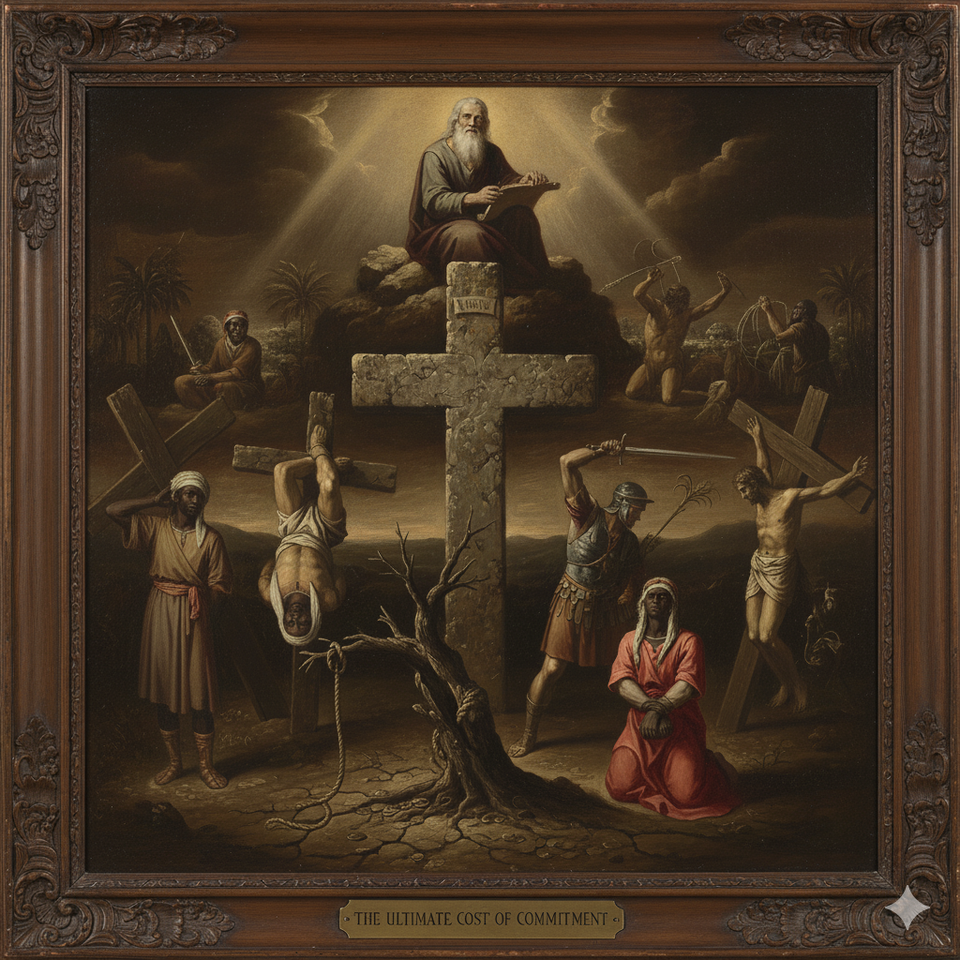
This photo depicts representations of several apostles being put to death.
My dear friends, in ministry, we often focus on the powerful teachings, the miraculous healings, and the glorious Resurrection of our Lord, Jesus Christ. But to truly grasp the depth of the Apostles' commitment, we must look at how they finished their earthly race. The stories of their martyrdom are not tales of tragedy, but of ultimate, unwavering faith. They paid the ultimate cost for the Gospel, and their legacy inspires us to examine the price we are willing to pay for our own convictions.

The Unshakeable Faith of the Witnesses
With the exception of one, nearly every one of Jesus’ original disciples faced a brutal end for refusing to deny the Christ they knew and loved.
  • James, the Son of Zebedee (The Apostle James the Greater), is the only Apostle whose death is explicitly recorded in the New Testament. He was killed with the sword in Jerusalem by King Herod Agrippa I, becoming the first of the twelve to be martyred (c. AD 44). This fulfilled the prophecy Jesus made that James would drink from His cup of suffering (Matthew 20:23).
    • The Word of God records: "He killed James the brother of John with the sword" (Acts 12:2).
  • Peter was crucified upside down in Rome, a tradition rooted in his belief that he was unworthy to die in the same way as Jesus Christ. This martyrdom is understood to be the fulfillment of Jesus' prophecy about Peter's death: "Very truly I tell you, when you were younger you dressed yourself and went where you wanted; but when you are old you will stretch out your hands, and someone else will dress you and lead you where you do not want to go." (John 21:18-19).
  • John (The Beloved Apostle) faced martyrdom when he was boiled in oil in Rome, but was miraculously delivered from death. He was then sentenced to the prison Island of Patmos, where the Holy Spirit led him to write the majestic Book of Revelation. He was later freed and died as an old man in Ephesus—the only apostle to die peacefully.
  • Paul, the Apostle called on the Road to Damascus, was tortured and then decapitated (beheaded) under the evil Emperor Nero in Rome.
  • Matthew suffered martyrdom in Ethiopia, killed by a sword wound.
  • Andrew was crucified on an X-shaped cross in Patras, Greece, tied with cords to prolong his agony. His followers reported that, when he was led toward the cross, Andrew saluted it, declaring, "I have long desired and expected this happy hour. The cross has been consecrated by the bloody body of Christ".
  • Thomas was stabbed with a spear in India during one of his missionary trips.
  • Bartholomew, also known as Nathanael, was martyred for his preaching in Armenia, flayed to death by a whip.
  • Matthias, the apostle chosen to replace the traitor Judas Iscariot (Acts 1:21-26), was stoned and then beheaded.
  • James, Son of Alphaeus (or James the Less), was, according to tradition, thrown over a hundred feet from the pinnacle of the temple in Jerusalem (the same pinnacle where Satan tempted Jesus), and then beaten to death with a fuller’s club after surviving the fall.
  • Jude (or Thaddeus) was, according to tradition, killed with arrows.
  • Philip died by hanging. In a final act of reverence, he requested that his body be wrapped in papyrus, not linen, believing he was unworthy to have his body treated as the body of Jesus had been treated.

The Traitor's End
And what of Judas Iscariot? His end came as a result of his own choices. The Bible offers two accounts:
  • Matthew 27:5 says that after betraying Jesus, Judas was filled with remorse, threw the money into the temple, and "went and hanged himself."
  • Acts 1:18 says that he bought a field with his reward, and then "falling headlong he burst open in the middle and all his bowels gushed out."

His death is a chilling reminder that proximity to Christ does not guarantee salvation; only true repentance and faith can.
 
My friends, the ultimate legacy of the Apostles is not just what they taught, but how they lived and how they died. Their faithful endurance, in fulfillment of Christ's promise (Matthew 10:22), asks us this question: Are we living a life worthy of the calling we have received?

May their commitment strengthen your resolve today!
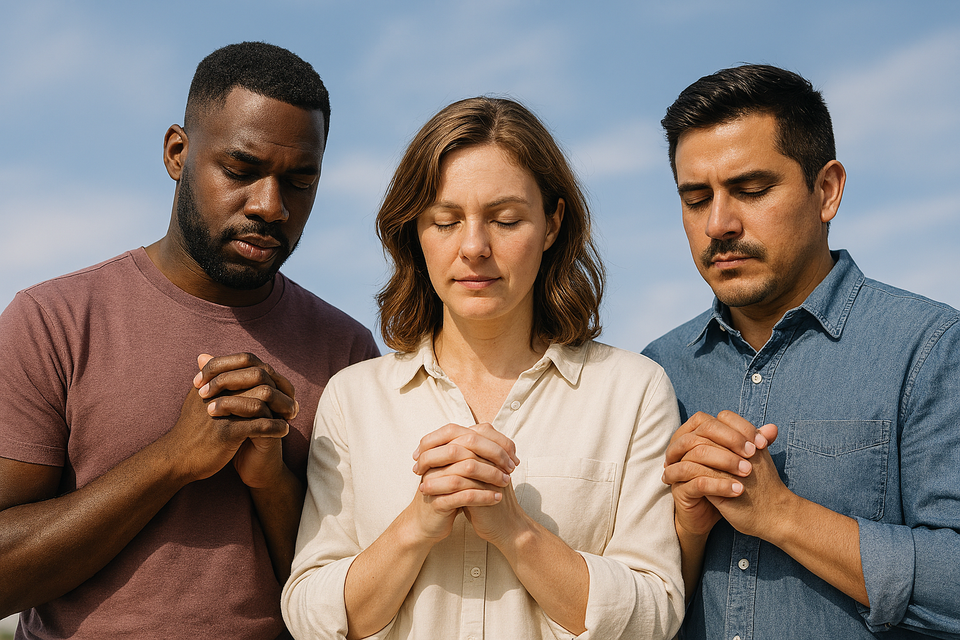
People sitting around a table outdoors having a bible discussion.

The Ultimate Cost of Commitment: How the Apostles Finished Their Race
By Dr. Curtis Carethers

My dear friends, in ministry, we often focus on the powerful teachings, the miraculous healings, and the glorious Resurrection of our Lord, Jesus Christ. But to truly grasp the depth of the Apostles' commitment, we must look at how they finished their earthly race. The stories of their martyrdom are not tales of tragedy, but of ultimate, unwavering faith. They paid the ultimate cost for the Gospel, and their legacy inspires us to examine the price we are willing to pay for our own convictions.

The Unshakeable Faith of the Witnesses
With the exception of one, nearly every one of Jesus’ original disciples faced a brutal end for refusing to deny the Christ they knew and loved.
  • James, the Son of Zebedee (The Apostle James the Greater), is the only Apostle whose death is explicitly recorded in the New Testament. He was killed with the sword in Jerusalem by King Herod Agrippa I, becoming the first of the twelve to be martyred (c. AD 44). This fulfilled the prophecy Jesus made that James would drink from His cup of suffering (Matthew 20:23).
    • The Word of God records: "He killed James the brother of John with the sword" (Acts 12:2).
  • Peter was crucified upside down in Rome, a tradition rooted in his belief that he was unworthy to die in the same way as Jesus Christ. This martyrdom is understood to be the fulfillment of Jesus' prophecy about Peter's death: "Very truly I tell you, when you were younger you dressed yourself and went where you wanted; but when you are old you will stretch out your hands, and someone else will dress you and lead you where you do not want to go." (John 21:18-19).
  • John (The Beloved Apostle) faced martyrdom when he was boiled in oil in Rome, but was miraculously delivered from death. He was then sentenced to the prison Island of Patmos, where the Holy Spirit led him to write the majestic Book of Revelation. He was later freed and died as an old man in Ephesus—the only apostle to die peacefully.
  • Paul, the Apostle called on the Road to Damascus, was tortured and then decapitated (beheaded) under the evil Emperor Nero in Rome.
  • Matthew suffered martyrdom in Ethiopia, killed by a sword wound.
  • Andrew was crucified on an X-shaped cross in Patras, Greece, tied with cords to prolong his agony. His followers reported that, when he was led toward the cross, Andrew saluted it, declaring, "I have long desired and expected this happy hour. The cross has been consecrated by the bloody body of Christ".
  • Thomas was stabbed with a spear in India during one of his missionary trips.
  • Bartholomew, also known as Nathanael, was martyred for his preaching in Armenia, flayed to death by a whip.
  • Matthias, the apostle chosen to replace the traitor Judas Iscariot (Acts 1:21-26), was stoned and then beheaded.
  • James, Son of Alphaeus (or James the Less), was, according to tradition, thrown over a hundred feet from the pinnacle of the temple in Jerusalem (the same pinnacle where Satan tempted Jesus), and then beaten to death with a fuller’s club after surviving the fall.
  • Jude (or Thaddeus) was, according to tradition, killed with arrows.
  • Philip died by hanging. In a final act of reverence, he requested that his body be wrapped in papyrus, not linen, believing he was unworthy to have his body treated as the body of Jesus had been treated.

The Traitor's End
And what of Judas Iscariot? His end came as a result of his own choices. The Bible offers two accounts:
  • Matthew 27:5 says that after betraying Jesus, Judas was filled with remorse, threw the money into the temple, and "went and hanged himself."
  • Acts 1:18 says that he bought a field with his reward, and then "falling headlong he burst open in the middle and all his bowels gushed out."

His death is a chilling reminder that proximity to Christ does not guarantee salvation; only true repentance and faith can.

My friends, the ultimate legacy of the Apostles is not just what they taught, but how they lived and how they died. Their faithful endurance, in fulfillment of Christ's promise (Matthew 10:22),

Asks us this question: Are we living a life worthy of the calling we have received?

May their commitment strengthen your resolve today!